
Video compression technology, notably DivX, has historically enabled accessible multimedia content but struggles with modern high-definition and 4K videos' data-intensive nature. The conversion challenge from DivX to WebM highlights the urgent need for advanced compression solutions that provide superior data reduction without compromising visual quality, ensuring seamless streaming experiences across various devices and network environments.
The digital age has transformed how we consume video content, demanding ever-higher quality and smaller file sizes. However, traditional compression methods struggle to balance these needs. This is where revolutionary technologies like Convert DivX to WebM step in. This article explores the evolution of video compression, focusing on how innovative formats like WebM are pushing boundaries and enhancing accessibility. By understanding the need for revolution, we can appreciate the impact of cutting-edge solutions like Convert DivX to WebM on our viewing experiences.
Understanding Video Compression: The Need for Revolution
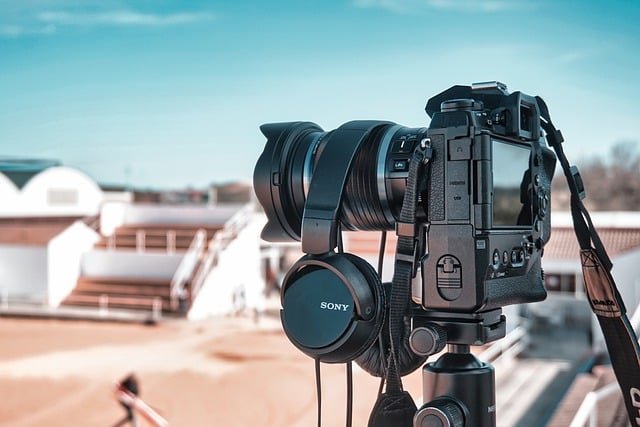
Video compression has long been an essential process to reduce file sizes and facilitate efficient storage and transmission of video content. Traditional methods like DivX have undoubtedly contributed to enhancing multimedia accessibility, but the ever-evolving digital landscape demands more groundbreaking solutions. As we navigate through an era dominated by high-definition and 4K videos, the need for revolutionary compression technology becomes increasingly apparent, especially when considering the massive amounts of data generated daily.
The current video compression standards often struggle to keep up with the rapid advancements in video production and distribution. For instance, converting DivX to WebM format presents challenges that highlight the necessity for innovative approaches. To meet the demands of modern users, the ideal solution should offer superior compression ratios without compromising visual quality, ensuring seamless streaming experiences across various devices and network conditions.
How Convert DivX to WebM is Pushing the Boundaries of Video Quality and Accessibility

The conversion from DivX to WebM is a significant development in video compression technology, pushing the boundaries of what’s possible in terms of quality and accessibility. By adopting this innovative approach, media creators and consumers can experience a new level of visual clarity and flexibility. DivX, known for its high-quality video encoding, meets its match with WebM, an open-source format optimized for modern web standards and streaming.
Converting DivX to WebM offers several advantages, including improved compression ratios, reduced file sizes, and enhanced compatibility across various devices and platforms. This is particularly beneficial for online content creators who want to provide high-definition videos without sacrificing load times or bandwidth usage. The accessibility aspect becomes even more pronounced when considering mobile users and those with slower internet connections, ensuring a consistent and enjoyable viewing experience for all.
The future of video content accessibility and quality looks bright with innovative technologies like Convert DivX to WebM leading the charge. By pushing the boundaries of compression, these advancements promise to revolutionize how we consume media online, ensuring better visual experiences for all users while reducing file sizes. This shift towards more efficient and high-quality video compression is a significant step forward in the digital era, making multimedia content more accessible and enjoyable.